

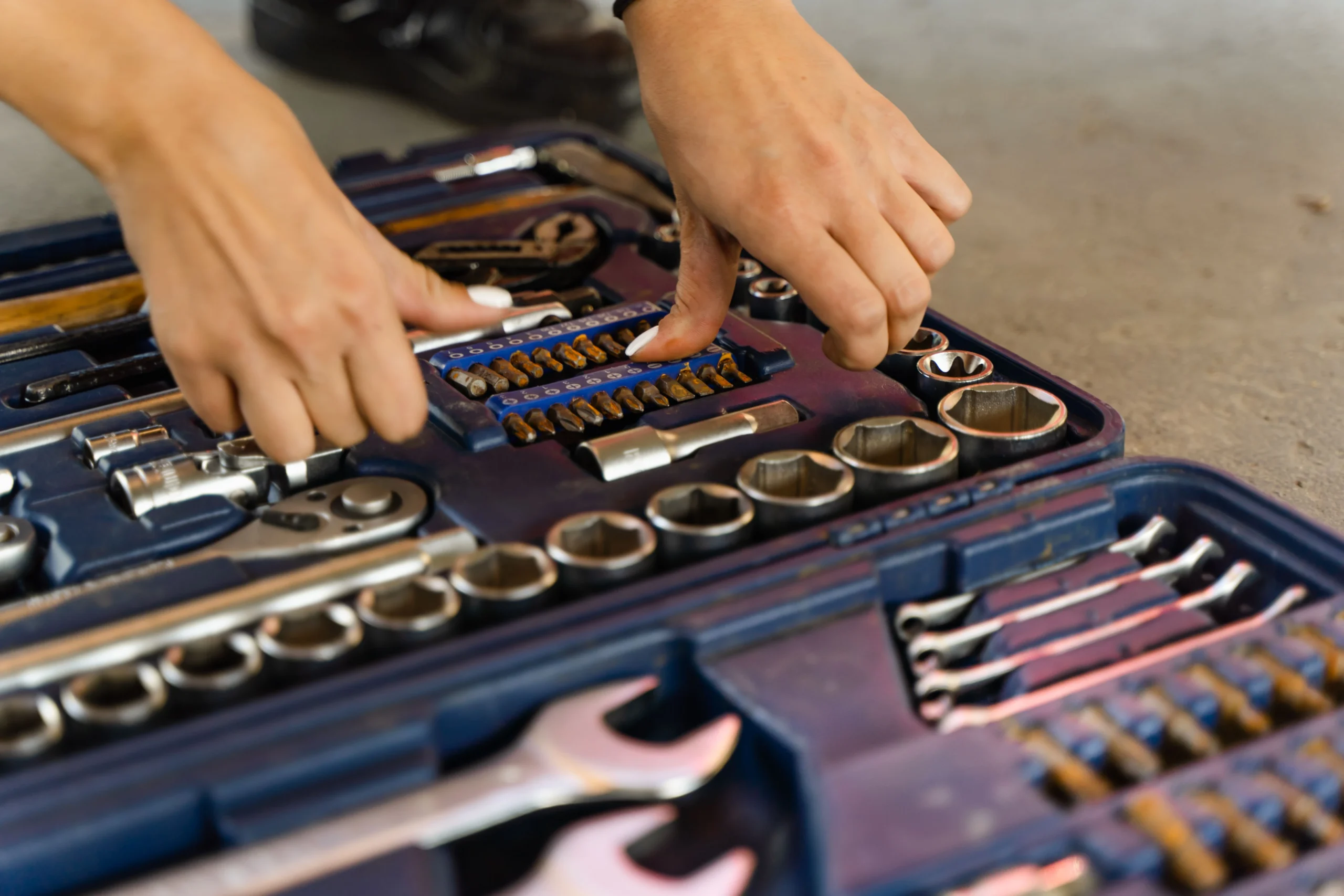
Every homeowner should keep a small kit of plumbing supplies under the sink: plumber’s tape, assorted faucet washers and O-rings, a universal faucet cartridge or two for your specific fixtures, a flexible supply line, a spare shut-off valve, a small tub of plumber’s grease, and a basic set of tools including an adjustable wrench, channel-lock pliers, and a basin wrench. With these on hand, the most common household plumbing surprises, like a dripping faucet, a leaking supply line, or a running toilet, become a twenty-minute fix instead of a stressful scramble to find parts after stores have closed.
Here is what belongs in that kit, and why each item earns its spot.
Why an Under-Sink Kit Is Worth Building
Plumbing problems rarely announce themselves during business hours. A supply line weeps on a Sunday night. A faucet starts dripping the evening before guests arrive. In those moments, the difference between a minor chore and a genuine headache is usually whether you have a two-dollar part within reach.
Landlords feel this even more sharply. A tenant reporting a leak expects a fast response, and having common plumbing parts stocked means small issues get resolved before they become water damage claims.
The good news is that a complete kit costs less than a single dinner out, fits in a shoebox, and covers the vast majority of small failures a home will throw at you.
The Sealing Essentials
Plumber’s tape (PTFE tape). The single most-used item in any kit. Wrap it around threaded connections to create a watertight seal. Keep two rolls, because the first one always disappears when you need it.
Assorted washers and O-rings. Worn washers and O-rings cause the majority of faucet drips. A variety pack covers most sizes, but it is smarter to note your faucet models and stock the exact washers they use. If your faucet is already acting up, our rundown of [common faucet issues] can help you match the symptom to the part.
Plumber’s grease. A silicone-based grease keeps O-rings supple, helps cartridges seat properly, and makes future disassembly easier. A small tub lasts years.
Pipe thread sealant. For connections where tape alone is not enough, a quality thread sealant provides backup. Choose one rated for potable water.
The Replacement Parts
Faucet cartridges. Modern faucets rely on cartridges rather than simple washers, and a failing cartridge means drips, stiff handles, or temperature problems. Cartridges are model-specific, so check the brand and model of each faucet in your home and keep one spare for the fixtures you use most, usually the kitchen and main bathroom.
Flexible supply lines. The braided lines connecting your shut-off valves to faucets and toilets do not last forever. Keep one faucet-length and one toilet-length line on hand. When one starts to weep at the connection, you want to swap it immediately rather than nurse it along.
A spare shut-off valve. Shut-off valves under sinks and behind toilets are famous for seizing up or failing exactly when you need them. A quarter-turn replacement valve in your kit means a corroded valve never leaves a fixture unusable for days.
Toilet flapper and fill valve. A running toilet is almost always a worn flapper or a tired fill valve. Both are inexpensive, universal versions fit most toilets, and both take minutes to swap.
Faucet aerators. Mineral buildup clogs aerators over time, causing weak or sputtering flow. Spare aerators in the standard sizes for your faucets let you restore full flow instantly instead of soaking and scrubbing the old one while the faucet sits half-functional.
The Tools That Do the Work
You do not need a full tradesperson’s setup. Five tools handle nearly everything:
An adjustable wrench for supply line nuts and valve connections. Channel-lock pliers for gripping and turning almost anything. A basin wrench for the awkward nuts behind sinks that nothing else can reach. A set of screwdrivers including Phillips, flathead, and ideally a small Allen key set for faucet handle screws. And a flashlight or headlamp, because under-sink work always happens in the dark.
If you want to go one step further, our guide to essential plumbing tools breaks down what each one does and which upgrades are worth it for frequent DIYers.
Know Your Fixtures Before You Need To
The most valuable item in your kit is information. Spend ten minutes recording the brand and model number of every faucet and toilet in your home, and keep that list in the kit. Parts like cartridges and spray heads are model-specific, and knowing exactly what you own turns a frustrating guessing game into a five-minute shopping trip.
While you are at it, locate your main water shut-off and test every fixture shut-off valve. A valve that has not been turned in ten years may not turn at all, which is exactly the kind of thing you want to discover on a calm Saturday rather than mid-leak.
When the Kit Is Not Enough
An emergency kit handles drips, worn parts, and minor leaks. It is not meant for problems inside walls, sewer issues, or anything involving your water heater or main lines. Recognizing that line matters. For work beyond the kit’s scope, a licensed plumber is the right call, and a good supply store can usually point you toward reputable local ones.
FAQs
What are the most important plumbing supplies to keep at home?
Plumber’s tape, assorted washers and O-rings, a spare cartridge for your most-used faucet, a flexible supply line, a toilet flapper, and an adjustable wrench cover the most common household plumbing failures. These six items alone resolve the majority of small emergencies.
How do I know which faucet cartridge to buy?
Check the faucet’s brand and model number, usually found on the box, the original paperwork, or stamped on the fixture itself. Cartridges are model-specific, so matching the exact model is essential. Bringing the old cartridge or a photo to a plumbing supply store also works well.
How often should supply lines be replaced?
Braided supply lines should generally be replaced every five to ten years, or immediately if you notice bulging, corrosion at the fittings, or moisture. They are inexpensive, and proactive replacement is far cheaper than water damage.
Is plumber’s tape the same as thread sealant?
No. Plumber’s tape is a thin PTFE film wrapped around threads, while thread sealant is a paste applied to them. Both create watertight threaded connections, and many people keep both, using sealant on stubborn or older fittings.
Do I need special tools for under-sink repairs?
Mostly no. An adjustable wrench, channel-lock pliers, and screwdrivers handle most jobs. The one specialty tool worth owning is a basin wrench, which reaches the mounting nuts behind sinks that standard tools cannot.
Stock Your Kit in One Trip
Building your kit takes one trip when everything is under one roof. Chatham Plumbing stocks the washers, O-rings, cartridges, supply lines, valves, tapes, and tools covered in this guide, and the counter staff can help you match parts to the exact faucet and toilet models in your home so nothing in your kit goes to waste. Landlords outfitting multiple properties can put together kits for every unit in a single visit. For the jobs that go beyond the kit, the team keeps a shortlist of reputable local plumbers they’re glad to share.