
Category

Uncategorized

Top 10 Must-Have Plumbing Tools for DIY Repairs & Renovations | Chatham Plumbing

Top 10 Must-Have Plumbing Tools for DIY Repairs and Renovations

By Uncategorized

Whether you’re a seasoned DIYer or just starting out with home repairs, having the right plumbing tools on hand is essential. From fixing leaky faucets to installing a new sink, having the right tools can make your plumbing tasks easier and more efficient. Let’s have a look at a list of the top 10 must-have plumbing tools that every DIYer should consider for their toolkit.


1. Pipe Wrench: The Plumbing Staple

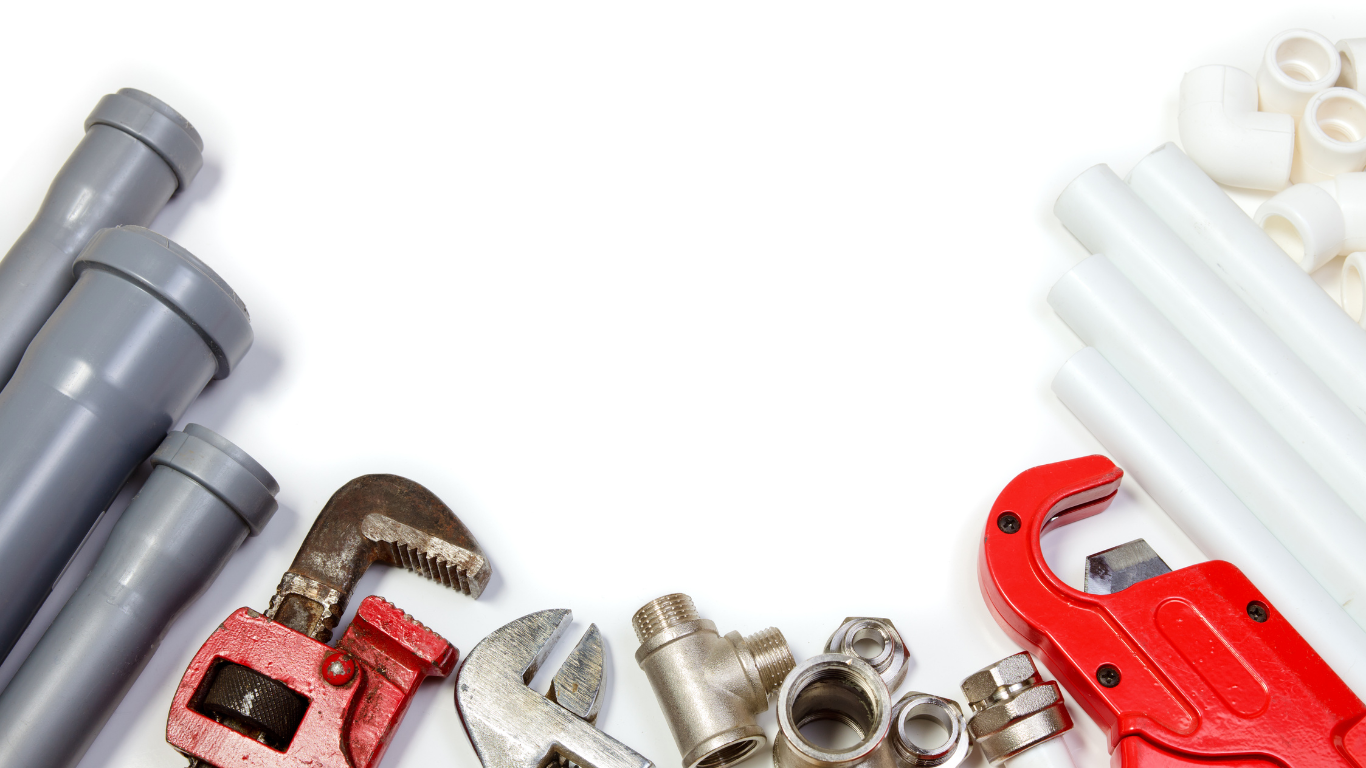
The pipe wrench is perhaps the most iconic plumbing tool. It’s designed to grip and turn pipes and fittings, which makes it essential for tasks like tightening or loosening pipe connections. With adjustable jaws, the pipe wrench can fit a range of pipe sizes, making it perfect for both small and large-scale plumbing projects.

Why It’s Essential:

  • Used for tightening and loosening pipes.
  • Its adjustable jaws fit various pipe sizes, making it versatile.
  • Great for installation and repair tasks like replacing faucets or showerheads.

2. Plunger: The Go-To Tool for Clogs

A plunger is a simple yet highly effective tool for clearing clogged drains in toilets, sinks, or bathtubs. It uses air pressure to break up blockages, allowing water to flow freely again.

Why It’s Essential:

  • Quick and easy way to clear minor blockages.
  • Affordable and easy to use.
  • A must-have for regular drain maintenance in your home.

3. Pipe Cutter: Clean Cuts for Your Pipes

When working with PVC, copper, or other types of pipes, a pipe cutter is invaluable. Unlike a hacksaw, which can leave rough edges, a pipe cutter makes clean, straight cuts that will prevent leaks and ensure a tight, professional-looking fit.

Why It’s Essential:

  • Ensures clean, smooth cuts for precise pipe installations.
  • Ideal for both PVC and metal pipes.
  • Provides faster and more accurate cuts than traditional tools like a hacksaw.

4. Adjustable Wrench: Flexibility at Its Best

An adjustable wrench is another versatile tool that can handle different sizes of fasteners. Unlike fixed-size wrenches, the adjustable design allows it to fit a wide range of bolts and nuts, making it ideal for various plumbing tasks, from tightening faucet nuts to working with pipe connections.

Why It’s Essential:

  • Adjustable jaws allow it to fit different-sized bolts and nuts.
  • Can be used on a variety of plumbing repairs, including faucets, pipes, and drains.
  • Convenient for tasks where multiple wrenches would be needed.

5. Plumbing Snake: For Those Tough Clogs

For more stubborn blockages that the plunger can’t clear, a plumbing snake (also known as a drain auger) is a game-changer. It is designed to navigate deep into your pipes and clear more serious clogs that could be causing issues.

Why It’s Essential:

  • Ideal for clearing deep clogs in sinks, tubs, or toilets.
  • Can reach blockages that a plunger can’t.
  • Prevents the need for professional intervention in most cases.

6. Teflon Tape: Sealing Pipes Like a Pro

Teflon tape (also called plumber’s tape) is a must-have for creating watertight seals on threaded pipe joints. It’s perfect for preventing leaks in your plumbing connections, especially when you’re working with metal pipes or threaded fittings.

Why It’s Essential:

  • Ensures a leak-proof seal on threaded pipe connections.
  • Inexpensive and easy to apply.
  • Works on both metal and plastic pipes, making it highly versatile.

7. Basin Wrench: Tightening Those Hard-to-Reach Spots

A basin wrench is designed to help you access tight spaces, like beneath sinks or in other hard-to-reach areas. It’s perfect for tightening or loosening nuts that secure faucets to the sink.

Why It’s Essential:

  • Specially designed to reach difficult, narrow spaces.
  • Great for tasks like installing or removing faucets.
  • Saves time and effort in places a regular wrench can’t reach.

8. Hacksaw: Cutting Through Metal and Plastic

A hacksaw is a versatile cutting tool that can handle metal and plastic piping with ease. Whether you’re replacing old pipes or installing new plumbing fixtures, a hacksaw will help you make clean, precise cuts.

Why It’s Essential:

  • Perfect for cutting through metal, plastic, and PVC pipes.
  • Ideal for both plumbing renovations and repairs.
  • A reliable and cost-effective cutting tool.

9. Channel Lock Pliers: Strong Grips for Tough Jobs

Channel lock pliers are another must-have tool for any plumber. Their adjustable arms provide a stronger grip on pipes and fittings than regular pliers, making them perfect for tough plumbing tasks.

Why It’s Essential:

  • Provides a strong, secure grip on a variety of pipe sizes.
  • Ideal for tight fittings and large plumbing tasks.
  • Great for working with larger pipes or fittings that other tools can’t handle.

10. Plumbing Torch: For Soldering and Sealing

If your DIY plumbing projects involve copper pipes, then a plumbing torch is an essential tool for soldering pipes together. It’s used to heat solder and seal pipe joints, ensuring they stay leak-free.

Why It’s Essential:

  • Perfect for connecting copper pipes using soldering techniques.
  • Ensures secure, leak-proof joints.
  • Essential for more advanced plumbing projects like water line installation.

How to Choose the Right Plumbing Tools for Your DIY Projects

When selecting plumbing tools for DIY repairs, it’s important to consider the type of project you’re tackling. For basic repairs, tools like the pipe wrench, plunger, and adjustable wrench will get the job done. However, if you’re taking on more complex renovations, such as replacing pipes or installing new fixtures, you may need additional tools like a plumbing snake, basin wrench, and hacksaw.

Local Relevance: Serving Chatham, Sarnia, and Leamington

At Chatham Plumbing, we understand that homeowners in Chatham, Sarnia, and Leamington have unique plumbing needs. Whether you’re tackling a small repair or a large renovation, having the right tools can make all the difference. And, of course, if your DIY project doesn’t go as planned, our team of experts is just a phone call away.

While DIY plumbing repairs and renovations can seem intimidating, having the right tools can make the process much easier. From the basics like pipe wrenches and plungers to more advanced tools like plumbing torches and basin wrenches, this list will prepare you for a wide range of plumbing projects.

And remember, when in doubt, Chatham Plumbing is here to assist with all your plumbing needs. We’re proud to serve the Chatham, Sarnia, and Leamington areas, helping homeowners with both their DIY projects and professional plumbing needs.

FAQs:

Q1: Can I use these plumbing tools for all types of repairs?
Yes! These tools and plumbing supplies are versatile and can be used for a wide range of plumbing repairs and renovations. However, for complex tasks like pipe replacement or major system repairs, professional help is recommended.

Q2: How can I tell if I need professional plumbing services?
If you’ve tried DIY methods and the problem persists, or if you encounter issues you’re unsure how to fix, it’s best to call a professional plumber.  Some issues, such as gas leaks or large plumbing disasters, should always be handled by professionals. In these cases, using the right plumbing supplies might not be enough to resolve the problem.

Q3: Where can I buy these plumbing tools in Chatham?
You can find these plumbing tools and other plumbing supplies at local hardware stores or plumbing supply shops in Chatham, Sarnia, and Leamington. For the best selection and prices, ask our team at Chatham Plumbing for recommendations.

Choosing the Right Pipe for the Plumbing Job

Choosing the Right Pipe for the Plumbing Job

By Uncategorized

Using the right pipe for a plumbing job is essential. Different systems have different demands, and not every pipe is built to handle them. Whether it’s high pressure, chemical exposure, underground installation, or heating applications, each situation needs the right combination of pipe, fittings, and connectors.

At Chatham Plumbing, serving Chatham, Sarnia, and Leamington, we’ve seen the damage caused by using the wrong materials—leaks, corrosion, bursts, and costly repairs. The best way to prevent those problems? Start by choosing the right pipe for the job.

Why Choosing the Right Pipe Matters

Every plumbing system has its own set of demands. These could include:

  •     Water temperature (hot or cold)
  •     Water pressure
  •     Chemical exposure (like chlorine, salt, or acid)
  •     UV exposure (especially for outdoor pipes)
  •     Fire safety requirements
  •     Installation location (above ground, underground, inside walls)

Each of these factors plays a critical role in pipe selection. The wrong choice can lead to pipe degradation, leaks, and even system failure.

Let’s break down how to choose the right pipe for the job and what factors you need to keep in mind. 

1. Understand the Application First

Start by answering these key questions:

  •     What’s flowing through the pipe? (Freshwater, sewage, chemicals?)
  •     Will it be indoors or outdoors?
  •     Is it a pressurized system?
  •     Will it handle hot or cold water?
  •     Is the pipe going to be buried?
  •     Will it be exposed to sunlight?
  •     Are there fire safety codes to meet?

Your answers will determine what kind of material, pressure rating, and fittings you’ll need. 

2. Know Your Pipe Options

Here are some common plumbing pipes and their ideal applications:

PVC (Polyvinyl Chloride)

  •     Great for: Cold water lines, drainage systems
  •     Avoid for: Hot water, for use up to 140 F. (it warps under heat)
  •     Pros: Affordable, corrosion-resistant, easy to cut and glue
  •     Cons: Brittle in cold temperatures, sensitive to UV 

Note: Only use solvent cement and primers approved for PVC. Mixing PVC with other plastics (like ABS) using the wrong glue can lead to failures. 

CPVC (Chlorinated Polyvinyl Chloride)

  •     Great for: Hot and cold water supply lines
  •     Better heat tolerance than PVC
  •     Ideal for residential water systems

CPVC must be joined with CPVC-specific solvent cement—never use PVC glue.


PEX (Cross-linked Polyethylene)

  •     Flexible and freeze-resistant
  •     Great for: Indoor hot and cold water
  •     Not recommended for: Outdoor or UV-exposed use
  •     Installed with: Crimp or clamp fittings—not glued 

PEX is ideal for retrofits and tight spaces, but it needs a UV-protected environment and should be kept away from areas with potential chemical exposure. 

Copper

  •     Time-tested, reliable, fire-resistant
  •     Excellent for: Pressurized systems, hot/cold potable water
  •     Expensive, but durable
  •     Two types: Type L (thicker, better for underground), Type M (thinner, indoor use)
     

Copper requires soldering and compatible brass or copper fittings. Never connect it directly to a galvanized pipe without a dielectric fitting—you’ll create a chemical reaction that leads to corrosion.


ABS (Acrylonitrile Butadiene Styrene)

  •     Common in drain, waste, and vent (DWV) systems
  •     Lighter and easier to install than PVC
  •     More impact-resistant, especially in cold weather
  •     Not accepted in all regions—check local code

Only use ABS-specific cement, and don’t mix it with PVC unless using a special transition fitting and adhesive approved for both materials. 

Galvanized Steel

  •     Mostly outdated, but still found in older homes
  •     Susceptible to rust and corrosion over time
  •     Not recommended for new water supply systems

3. Don’t Mix and Match

Mixing different types of pipe or fittings without the correct transition methods can lead to major issues.

Examples of what can go wrong:

  •     Chemical Reactions: PVC and ABS use different adhesives. Using the wrong one can weaken the joint.
  •     Corrosion: Connecting copper and steel without a dielectric union can cause galvanic corrosion.
  •     Leaky Joints: Fittings that don’t match pipe type and size won’t seal properly.
  •     Code Violations: Using non-compliant materials can cause insurance or inspection problems.

Bottom line: Every pipe has a preferred set of fittings and solvents. Don’t take shortcuts.

4. Consider Environmental and Chemical Factors

The water or substance travelling through your pipes matters.

  •     Chlorine in municipal water can degrade some plastics over time.
  •     Salt in water softeners or marine environments can speed up metal corrosion.
  •     Acidic waste from commercial kitchens or labs may require specialized piping like polypropylene or stainless steel.

Also, if your system is exposed to:

  •     Sunlight (UV rays), choose UV-resistant piping like painted copper or specially-rated PEX.
  •     Fire code requirements: use CPVC that’s fire-rated or metal piping with fireproof insulation.

5. Pressure and Temperature Ratings Matter

Every pipe has a max pressure and temperature rating. Pushing those limits shortens the lifespan and raises the risk of failure.

  •     PEX and CPVC: Check if they’re rated for continuous hot water use.
  •     PVC: Use only for cold water ( less than 140 F), and check pressure limits, especially for long runs or high-rise buildings.
  •     Copper: Can handle higher pressure and temperature, but costs more and is harder to work with. 

Always match pipe ratings to the system they’ll be used in. Don’t assume “close enough” is good enough. 

6. Get the Right Fittings and Tools

Pipe isn’t a standalone product. It needs the right components to function:

  •     Fittings: Elbows, tees, and reducers must match pipe type and diameter.
  •     Solvents: Only use certified cements for your pipe material (PVC, CPVC, ABS, all need specific products).
  •     Support Systems: Pipes need brackets and supports at correct intervals, especially for vertical or overhead runs.
  •     Adapters: For transitioning from one material to another, use approved transition fittings. 

Never try to “make it work” with mismatched pieces. It won’t.

The Chatham Plumbing Difference

Whether you’re a professional contractor or a DIY homeowner, getting the right pipe and materials for your plumbing project is critical. At Chatham Plumbing, we specialize in supplying exactly what you need, backed by expert knowledge and honest advice.

Serving Chatham, Sarnia, and Leamington, we stock a full range of piping materials—PVC, CPVC, PEX, copper, ABS, and more—along with all the compatible fittings, solvents, transition pieces, and tools. Our staff knows which products work together and which combinations to avoid. We’re here to help you make informed decisions that save time, money, and headaches.

Final Word

Choosing the right pipe isn’t just about size or cost—it’s about matching the material to the job. Pressure, temperature, UV exposure, buried conditions, chemicals, and even fire codes all affect what pipe you should use. And pairing it with the wrong fittings or adhesives can lead to serious system failures.

At Chatham Plumbing, we help you get it right. Visit one of our locations in Chatham, Sarnia, or Leamington and talk to a knowledgeable team member. Whether you’re picking up parts for a quick repair or planning a full build, we’ll make sure you leave with the right materials for the job.

Frequently Asked Questions (FAQs)

1. How do I know which pipe material I need for my project?

It depends on several factors—water temperature, pressure, exposure to sunlight or chemicals, whether the pipe is buried, and local building codes. If you’re unsure, bring the project details to Chatham Plumbing. Our team will help you choose the right pipe and compatible fittings. 

2. Can I mix different types of pipe together?

Not without the correct transition fittings and adhesives. Mixing incompatible materials (like PVC and ABS, or copper and galvanized steel) can cause chemical reactions, leaks, or corrosion. We carry the proper adapters to safely join different pipe types when necessary. 

3. What’s the difference between PVC and CPVC?

PVC is used for cold water and drainage. CPVC is chemically treated to handle higher temperatures and is suitable for hot water lines. They are not interchangeable, and each requires specific solvent cements. 

4. What type of pipe should I use for underground applications?

You’ll need a pipe that’s rated for burial and resistant to corrosion and pressure—typically PVC (Schedule 40 or 80) or PEX with proper insulation. Avoid using materials that are UV-sensitive or not pressure-rated. 

5. Are all pipe fittings universal?

No. Fittings are specific to pipe material and size. For example, a PEX fitting won’t work with PVC, and solvent cements only work with their intended material. Always match fittings and adhesives to your pipe type. 

6. What pipe is best for hot water?

CPVC, PEX, or copper are good choices for hot water systems. PVC should never be used for hot water—it can warp or fail under heat. 

7. Can I use PEX pipe outdoors?

PEX is not UV-resistant and will degrade if exposed to sunlight over time. For outdoor use, choose a pipe that’s specifically rated for UV exposure or protect the PEX with a UV barrier or insulation. 

8. What tools do I need to install different types of pipe?

It depends on the material:

  •     PVC/CPVC/ABS: Saw or pipe cutter, primer, solvent cement
  •     PEX: Crimp or clamp tool, pipe cutter, proper fittings
  •     Copper: Pipe cutter, flux, torch, solder
    We stock all the tools and accessories you’ll need at Chatham Plumbing.
Toilet Sit

Toilet Seats: How to Select the Right One for Your Bathroom

By Uncategorized

Choosing a toilet seat might seem simple until you’re faced with dozens of styles, materials, and features. Whether you’re replacing a broken one or upgrading for comfort and cleanliness, Chatham Plumbing is here to guide homeowners in Chatham, Sarnia, and Leamington through the essentials of toilet seat selection.

Two Main Seat Shapes: Round vs. Elongated

Toilet seats generally come in two primary shapes: round and elongated.

  • Round Seats are shorter and more circular, often found in older homes or smaller bathrooms.

  • Elongated Seats are longer and oval-shaped, offering more comfort, especially for adults.

To determine the right shape, measure your toilet bowl from the mounting holes to the front edge.

Odd-Shaped Seats: A Special Case

Some toilets require model-specific or odd-shaped seats, which are typically more expensive and harder to find. These are usually custom-designed or brand-specific models that demand exact matches, so be sure to check your toilet’s make and model before replacing the seat.

Seat Closure Options: Slow Close vs. Regular

Today, homeowners can choose:

  • Slow-Close (Anti-Slam) Seats – These close gently and quietly, reducing wear and tear and adding a touch of luxury.

  • Regular Seats – More traditional and generally less expensive, but can be noisy and wear faster.

Easy-Clean Hinges: For Hygiene & Convenience

Easy clean hinges allow the seat to be lifted off the bowl with minimal effort, making it easier to clean those hard-to-reach areas. This feature is ideal for households prioritizing hygiene and convenience.

Foam Seats: Soft but Unsanitary

Foam toilet seats offer cushion-like comfort, but:

  • Have a short life span

  • Can become unsanitary over time due to cracks and fluid absorption

They’re best for temporary use or specific medical needs.

Moulded Wood Seats: Classic but High Maintenance

Moulded wood seats are:

  • Heavy and solid

  • Offer a traditional aesthetic

  • Typically more expensive

  • Have a shorter lifespan, prone to splitting and paint chipping

  • Harder to keep clean, especially painted ones

These are suitable for those seeking a classic look and don’t mind the upkeep.

Composite Seats: Durable Yet Pricey

Made with a wood core and plastic lining, composite seats combine durability with aesthetic appeal:

  • Heavy and solid

  • Expensive

  • More resistant to cracking than moulded wood

They are a good choice for households wanting a long-lasting, premium feel.

Plastic Seats: Affordable and Versatile

Plastic toilet seats remain the most popular for good reason:

  • Less expensive

  • Easy to clean

  • Available in many colours and styles

They’re ideal for families, rental properties, and budget-conscious homeowners.

Final Thoughts from Chatham Plumbing

So, how do you select the right toilet seat? Start by identifying your toilet’s shape—round or elongated. Then consider comfort features like slow-close hinges and easy-clean designs. Evaluate materials based on durability, hygiene, and cost: plastic for affordability and cleanliness, composite for durability, moulded wood for aesthetics, and foam only for temporary comfort. Always be mindful of your toilet’s model to avoid costly shape mismatches.

Choosing the right toilet seat isn’t just about comfort—it’s about hygiene, budget, compatibility, and long-term satisfaction. Whether you’re in Chatham, Sarnia, or Leamington, the team at Chatham Plumbing is here to help you select the perfect fit for your bathroom.

Stop by or call today for expert advice and a full selection of toilet seats and plumbing supplies to suit your needs.

Need help choosing the right toilet seat? Contact Chatham Plumbing—your trusted plumbing supply partner in Chatham, Sarnia, and Leamington.

FAQs

  1. How do I measure my toilet to know which seat to buy?
    Measure from the center of the mounting holes to the front edge of the bowl.
  2. Are slow-close seats worth the extra money?
    Yes. They prevent slamming, reduce noise, and extend seat life.
  3. Can I install a toilet seat myself?
    Yes, most models come with easy-to-follow instructions. Chatham Plumbing can help you find the right tools and fittings.
  4. Why do painted wood seats wear out faster?
    Moisture and cleaning chemicals can crack or chip the paint, reducing lifespan.
  5. What’s the most hygienic toilet seat material?
    Plastic is the easiest to clean and maintain, making it the most hygienic option for most homes.


Plumbing

The Hidden Cost of Wasting Water — How Leaking Valves, Worn-Out Flappers, and Overlooked Plumbing Issues Can Drain Your Wallet

By Uncategorized

 We often overlook the small drips and leaks that quietly steal money from our wallets and waste precious resources. A single leak might seem harmless, but over time, it can contribute to rising water bills and even cause costly damage. In this article, we explore how common plumbing problems like leaking valves and worn-out flapper valves can lead to long-term financial strain and why addressing these issues promptly can save you both money and headaches.

Why Small Leaks Matter
It is easy to ignore a minor leak under the sink or a slight dripping noise from the toilet. However, even the smallest leaks can waste hundreds of gallons of water each month. This not only impacts your water bill but also places unnecessary strain on water resources and the environment. Identifying and fixing these issues early can prevent long-term damage to your plumbing system and wallet.

The Financial Impact of Water Waste
Every drop of water that leaks from your plumbing adds to your utility bills. While a single drip might not seem significant, it can add up to a surprisingly high cost over time. A leaking faucet can waste thousands of gallons of water a year. Imagine the financial impact that multiple leaks around your home can have on your budget. Additionally, unchecked leaks can lead to mold growth, water damage, and costly repairs that extend beyond the initial plumbing issue.

Common Plumbing Issues That Waste Water
Leaking valves, worn-out flapper valves, dripping faucets, and hidden pipe leaks are all too common in many households. These issues can develop gradually and often go unnoticed until they cause significant damage. Regular maintenance and timely repairs are essential to prevent these problems from escalating.

  • Leaking Valves: The Usual Suspects
    Leaking valves are one of the most common culprits of wasted water. Whether it is a shutoff valve under the sink or a valve behind the toilet, even a small leak can waste a substantial amount of water over time. Regularly checking and tightening these valves can help prevent waste and protect your plumbing system.
  • Worn-Out Flapper Valves in Toilets
    The flapper valve inside your toilet tank plays a critical role in regulating water flow. When it becomes worn out or misaligned, it can cause continuous water leakage into the bowl. This not only drives up your water bill but also puts strain on the toilet’s internal components, leading to more costly repairs down the line.
  • Dripping Faucets and Showerheads
    A dripping faucet might seem harmless, but those drops add up quickly. A single faucet leaking at one drop per second can waste more than three thousand gallons of water each year. Showerheads can also develop leaks that go unnoticed, compounding the problem. Regular inspection and maintenance of these fixtures can prevent unnecessary water waste.
  • Hidden Pipe Leaks: Out of Sight, Out of Mind
    Some of the most damaging leaks occur in places you cannot see. Pipes inside walls, under floors, or in basements can develop slow leaks that cause water damage and mold growth. By the time these leaks are noticed, they may have already caused significant structural damage. Routine inspections by professionals can help identify and address these issues before they escalate.

The Long-Term Financial Impact of Ignored Leaks
Ignoring leaks can lead to much higher water bills, expensive repairs, and even potential health hazards from mold and mildew. Water damage can also compromise the structural integrity of your home, leading to costly renovations. Addressing leaks as soon as they appear is the best way to protect your home and wallet from long-term financial strain.

Monthly Water Bill Surprises
Leaks that go unchecked can cause unexpected spikes in your monthly water bill. A sudden increase in water usage can be a sign of a hidden leak that needs immediate attention. Monitoring your water bills and comparing usage from month to month can help you spot issues early and take corrective action before the problem grows.

Potential for Water Damage Repairs
Leaks that are left unrepaired can cause water damage that requires extensive and expensive repairs. From damaged drywall and flooring to ruined insulation and electrical systems, the costs can add up quickly. Early detection and repair can save you from these headaches and expenses.

Mold and Health Risks from Unchecked Leaks
Water leaks create a moist environment where mold can thrive. Mold growth can pose serious health risks, especially for those with allergies or respiratory issues. Addressing leaks promptly and ensuring proper ventilation can help prevent mold infestations and protect the health of your family.

Environmental Concerns of Water Waste
Wasting water not only affects your wallet but also has a broader environmental impact. Conserving water is essential for protecting local water resources and ensuring a sustainable supply for future generations. By fixing leaks and adopting water-saving habits, you contribute to the well-being of your community and the planet.

The Bigger Picture: Community and Planet
Every drop counts when it comes to conserving water. By addressing leaks in your home, you play a part in reducing the demand on local water systems. This helps maintain a reliable water supply and supports environmental sustainability. Small actions at home can make a big difference globally.

Conservation Starts at Home
Simple steps like fixing leaks, using water-efficient fixtures, and being mindful of water usage can have a significant impact. These actions not only reduce your water bills but also contribute to a healthier environment for everyone.

How to Identify Leaks Before They Drain Your Wallet
Regular inspections can help you catch leaks early and avoid expensive surprises. Start by checking your water meter and monitoring your water bills. Conduct simple tests, such as the toilet dye test, to identify hidden leaks that might otherwise go unnoticed.

The Toilet Dye Test
Add a few drops of food colouring to your toilet tank. If the colour appears in the bowl without flushing, you have a leak that needs to be fixed. This simple test can save you from wasting hundreds of gallons of water every month.

Checking Valve Seals
Inspect valves throughout your home for signs of corrosion, wear, or leaks. Tighten any loose connections and replace worn-out seals to prevent water waste and ensure your plumbing system remains in good working order.

Inspecting Faucets and Showerheads
Check faucets and showerheads for drips and leaks. Even small leaks can waste significant amounts of water over time. Replacing worn-out washers or gaskets can often solve the problem quickly and affordably.

DIY Fixes for Common Leaks
Some leaks can be fixed with basic tools and a little know-how. Replacing a toilet flapper valve, tightening loose fittings, or installing new washers can prevent water waste and extend the life of your plumbing fixtures. However, for more complex issues, it is best to call a professional plumber.

Replacing a Toilet Flapper Valve
Turn off the water supply to the toilet, remove the tank lid, and replace the old flapper with a new one. This simple repair can eliminate leaks and save you money on your water bill.

Fixing a Leaky Faucet
Shut off the water supply to the faucet, remove the handle, and replace the worn-out washer or gasket. Reassemble the faucet and turn the water back on to check for leaks. This quick fix can prevent thousands of gallons of water from going down the drain each year.

When to Call a Professional Plumber
While some leaks can be handled with a DIY approach, others require the expertise of a licensed plumber. If you are unsure about the source of a leak or how to fix it, call Chatham Plumbing for professional assistance. Our team is trained to identify and repair leaks efficiently, saving you time, money, and stress.

When to Call a Professional Plumber
Some leaks require professional help, especially if the source is hidden or complex. Even then, quality parts from Chatham Plumbing ensure a reliable fix that lasts.

Conclusion:
Leaks may seem minor, but they can cause major financial and environmental headaches. Contractors and homeowners can rely on Chatham Plumbing for the highest-quality parts and supplies to stop leaks at the source. Protect your wallet, your home, and your community by addressing leaks before they become costly problems.

FAQs

How much water does a leaking toilet waste?
A leaking toilet can waste up to 200 gallons of water a day, depending on the severity.

Can a small drip really add up?
Yes, a single drip every second can waste more than three thousand gallons a year.

What’s the most common cause of household water leaks?
Worn-out washers, loose seals, and corroded valves.

Are worn-out flappers easy to replace?
Yes, with quality replacement parts from Chatham Plumbing, it’s a simple fix.

How often should plumbing systems be checked?
Homeowners should check annually, and contractors should advise clients on maintenance schedules.


Dimplex Electric Fireplaces

Dimplex Electric Fireplaces: The Perfect Addition to Your Home

By Uncategorized

When it comes to creating a cozy, inviting atmosphere in your home, few things can match the warmth and ambiance of a fireplace. But traditional wood-burning fireplaces aren’t always practical, especially in modern homes. Dimplex electric fireplaces offer the perfect solution, providing warmth, style, and comfort without the hassle of logs, smoke, or the need for ventilation.

Electric Fireplaces vs. Traditional Fireplaces:

When deciding between an electric fireplace and a traditional one, it’s important to weigh the pros and cons of each. Both options have their merits, but for many homeowners, electric fireplaces offer several distinct advantages. Here’s a breakdown of how Dimplex electric fireplaces compare with traditional wood-burning or gas fireplaces:

1. Ease of Use and Convenience

  • Electric Fireplaces: Dimplex electric fireplaces are incredibly user-friendly. With a simple plug-and-play installation, you don’t have to worry about hauling wood, managing gas lines, or cleaning up ashes. The remote control and smart home integration in some models make it easy to adjust temperature and flame settings with a click of a button.
  • Traditional Fireplaces: Traditional wood-burning and gas fireplaces require more hands-on attention. You need to chop or buy wood, light the fire, and regularly clean up ashes. Gas fireplaces may be more convenient, but still require regular maintenance and inspections.

2. Installation and Maintenance

  • Electric Fireplaces: Installing an electric fireplace is hassle-free. Many models are designed for wall mounting or can be placed in any space with an electrical outlet. They require little to no maintenance, just occasional dusting and wiping down.
  • Traditional Fireplaces: Traditional fireplaces require professional installation, especially if you’re venting them through a chimney. Wood-burning fireplaces need frequent chimney cleaning to prevent creosote buildup, while gas fireplaces must be checked for gas leaks and carbon monoxide risks.

3. Cost and Energy Efficiency

  • Electric Fireplaces: Dimplex electric fireplaces are energy-efficient, providing heat directly into the room without losing energy through a chimney or flue. They are often cheaper to run and can be more cost-effective, especially if you only need to heat one room.
  • Traditional Fireplaces: Traditional fireplaces can be costly to operate. Wood-burning models waste a lot of heat through the chimney, and gas fireplaces can significantly increase your utility bills, particularly if you use them frequently. Additionally, the cost of fuel (wood or gas) can fluctuate over time.

4. Environmental Impact

  • Electric Fireplaces: Electric fireplaces are an eco-friendly choice since they don’t produce smoke, carbon dioxide, or other pollutants. Dimplex electric fireplaces also use LED lighting, which consumes very little energy compared to conventional lighting.
  • Traditional Fireplaces: Wood-burning fireplaces produce emissions, including carbon monoxide and particulate matter, which can negatively affect indoor air quality. Gas fireplaces, while cleaner than wood-burning models, still emit carbon dioxide, contributing to your home’s carbon footprint.

5. Heat Output

  • Electric Fireplaces: Dimplex electric fireplaces are designed to provide supplemental heat, perfect for warming up a single room. While they can offer substantial warmth, especially in smaller or medium-sized rooms, they might not be suitable for heating an entire house.
  • Traditional Fireplaces: Wood and gas fireplaces can generate a significant amount of heat, especially if they are centrally located in your home. However, much of the heat produced in a wood-burning fireplace is lost through the chimney. Gas fireplaces offer more efficient heat, but can still struggle to heat larger spaces evenly.

6. Aesthetic Appeal

  • Electric Fireplaces: There’s no denying the classic appeal of a real fire, and a traditional fireplace can serve as a stunning focal point in your home. The crackling of burning wood and the smell of smoke evoke a sense of warmth and nostalgia, but it comes at the cost of higher maintenance and potential safety risks.

Why Choose Dimplex Electric Fireplaces?

Stylish and Versatile Designs
 Dimplex electric fireplaces come in various styles, from wall-mounted models to freestanding and built-in options. No matter your home’s décor, you can find a Dimplex model that complements your space, adding both warmth and visual appeal.

Energy Efficiency and Cost Savings
 Dimplex fireplaces provide efficient heating while keeping your energy costs low. Unlike traditional fireplaces that lose heat through chimneys, Dimplex models direct heat directly into the room, reducing energy waste. With Chatham Plumbing as your supplier, you get access to the most energy-efficient models available.

Safety and Ease of Use
 Dimplex electric fireplaces are incredibly safe and easy to use. There’s no need to worry about venting, ashes, or real flames. Many models come with remote controls and adjustable settings, making them user-friendly and convenient. Plus, they come with safety features like automatic shut-off, giving you peace of mind.

How Dimplex Electric Fireplaces Work

Realistic Flame Effects
 Dimplex electric fireplaces are renowned for their realistic flame effects. Their Flame Effect Technology uses LED lighting and mirrors to create a flickering flame that mimics real fire, with customizable colors and intensity for a personalized touch.

Efficient Heating Technology
 Dimplex electric fireplaces use either convection or fan-forced heating to warm your space. Convection heating naturally circulates warm air, while fan-forced systems quickly distribute heat for a more immediate effect. Whether you need gentle warmth or a quick heat boost, Dimplex delivers.

Smart Features
 Many Dimplex models come with remote controls to adjust temperature, flame effects, and timer settings. Advanced models can even be integrated with your smart home system, allowing you to control your fireplace from your smartphone.

Types of Dimplex Electric Fireplaces

Wall-Mounted Models
 Perfect for modern interiors, wall-mounted electric fireplaces save space and offer a sleek, contemporary look. These fireplaces are ideal for homes that want the beauty of a fireplace without the bulk.

Freestanding Models
 Freestanding electric fireplaces are versatile and easy to move. They add a traditional fireplace aesthetic and can be placed in any room without the need for installation.

Built-In and Insert Models
 For a seamless, built-in look, Dimplex offers insert fireplaces that fit into existing traditional fireplace openings. These models create a clean, integrated appearance while still offering the benefits of electric heating.

Key Features of Dimplex Electric Fireplaces

Customizable Flame Effects
 Adjust the color, speed, and brightness of the flame to match your mood or setting. Some models even offer multiple flame colors to provide even more customization.

Energy Efficiency
 Dimplex electric fireplaces are designed to provide effective heating without wasting energy. With eco-friendly heating technology, they help reduce your home’s carbon footprint while keeping your space warm and cozy.

Simple Maintenance
 Dimplex electric fireplaces are incredibly low-maintenance. Unlike traditional fireplaces, there are no chimneys to clean, no soot to deal with, and no need to replace logs. Simply wipe down the glass occasionally to keep it looking pristine.

Why Choose Chatham Plumbing as Your Dimplex Supplier?

Chatham Plumbing is proud to be a trusted supplier of Dimplex electric fireplaces. Here’s why you should choose us:

  1. Wide Selection: We offer a full range of Dimplex products, ensuring you find the perfect fireplace to fit your space and needs.
  2. Expert Guidance: Our knowledgeable team is ready to help you choose the right model, whether you’re looking for heating efficiency, design, or smart features.
  3. Quality Assurance: Dimplex is a leading brand in the electric fireplace industry, and we ensure that every product we offer meets the highest standards of quality and performance.

Installation and Maintenance of Dimplex Electric Fireplaces

Simple Installation
 Dimplex fireplaces are easy to install, whether you’re opting for a wall-mounted, freestanding, or built-in model. Most models are plug-and-play, meaning you can enjoy your fireplace immediately after setup.

Low Maintenance
 With no need for chimney cleaning or fuel management, maintaining your Dimplex electric fireplace is a breeze. Regularly wipe the surface and check the heating elements, and you’re good to go.

Dimplex Electric Fireplaces for Every Space

Living Rooms and Bedrooms
 Dimplex fireplaces create a warm, inviting atmosphere in any room. Whether you want a striking focal point in your living room or a cozy ambiance in your bedroom, Dimplex’s stylish models are perfect for enhancing your space.

Offices and Commercial Spaces
 Dimplex electric fireplaces are also a great addition to offices or commercial spaces. Their sleek designs offer warmth and elegance without taking up valuable space, creating a welcoming environment for both employees and clients.

Outdoor Use
 Certain Dimplex models are designed for outdoor use, making them ideal for patios and porches. Extend the comfort of your home to your outdoor spaces with a fireplace that adds warmth and style.

Conclusion: Why a Dimplex Electric Fireplace is Right for Your Home

A Dimplex electric fireplace is an easy, efficient, and stylish way to add warmth and ambiance to any room in your home. Whether you’re looking for a contemporary wall-mounted model or a traditional freestanding design, Dimplex offers options that suit all tastes and needs.

With Chatham Plumbing as your supplier, you can be confident in the quality and reliability of the Dimplex product you’re purchasing. Our team is here to help you choose the perfect fireplace for your home, ensuring that you enjoy a cozy, energy-efficient, and safe heating solution for years to come.


Sump Pumps and Why You Should Always Have a Backup

Sump Pumps and Why You Should Always Have a Backup

By Uncategorized

A sump pump is one of those home essentials you might not think about, until you really need it. It works by redirecting excess groundwater away from your home’s foundation, keeping your basement or crawlspace dry. The pump sits in a specially designed sump pit and turns on when the water level rises, pumping the water out through a discharge pipe.

These pumps are commonly found in homes with basements or areas prone to flooding. They’re also used in commercial buildings, especially those below street level, to prevent costly water damage.

Knowing how sump pumps work and what options are available is the first step in protecting your home or business from unwanted water damage..

Why Sump Pumps Are Critical for Home Protection in Southern Ontario

Sump pumps serve as your first line of defense against water intrusion, and their importance can’t be overstated, especially during heavy rains or spring thaws.

Preventing Basement Flooding: Without a working sump pump, even a moderate rainstorm can result in inches of water in your basement. This can ruin flooring, drywall, appliances, and irreplaceable possessions.

Protecting Your Foundation: Water pooling around your foundation can lead to cracks, shifting, and long-term structural damage. A sump pump prevents this by moving water away efficiently.

Reducing Mold and Mildew Risks: Standing water and moisture create an ideal environment for mold growth. A dry basement means a healthier home, especially for individuals with allergies or respiratory issues.

Types of Sump Pumps

There are several types of sump pumps available, and each has its pros and cons depending on your space, budget, and specific needs.

Pedestal Sump Pumps: These are mounted above the sump pit and are easier to service due to their accessibility. While they tend to be more affordable and have a longer lifespan, they’re also louder and more visible. They have a shorter lifespan, and are not recommended.

Submersible Sump Pumps: Installed inside the sump pit and designed to operate underwater, these are quieter and more discreet. They’re typically more powerful and better suited for heavy-duty water removal, and have a longer lifespan.

Water-Powered Backup Sump Pumps: Ideal for homes with municipal water supply, these systems use water pressure to remove excess groundwater, making them a reliable option during power outages as a secondary pump.

Battery Backup Sump Pumps: These kick in automatically when your primary sump pump fails or when there’s a power outage. Essential during storms, battery backups can prevent flooding even if your main pump malfunctions.

Why You Should Always Have a Backup Sump Pump

Many homeowners assume one sump pump is enough, but when something goes wrong, having a backup can make all the difference.

Power Outages During Storms: The most common time for a sump pump to fail is during a storm. Why? Because storms often knock out the power, exactly when you need your pump the most. A backup pump with battery or water power keeps working even if the lights go out.

Primary Pump Failure Scenarios: Like any machine, sump pumps can fail. They can clog, burn out, or wear down over time. If your main pump stops working and there’s no backup, your basement is vulnerable to flooding.

Peace of Mind: Simply knowing you have a backup system in place can help you sleep easier when heavy rain hits. You won’t have to worry every time the weather takes a turn.

Choosing the Right Sump Pump for Your Home

Choosing the right one depends on a few key factors:

  1. Capacity and Power: Larger homes or those in flood-prone areas may need a more powerful pump that can move water quickly and efficiently.
  2. Build Quality: Stainless steel or cast iron pumps tend to last longer than plastic models. Look for durable construction if you want your pump to go the distance.
  3. Brand Reputation: Chatham Plumbing recommends trusted brands known for performance and reliability. Our team can help you choose a pump that’s been tested in real-world conditions.

Need help deciding? Just ask. Our staff is here to guide you through the options.

Signs Your Sump Pump May Need Replacement

A failing sump pump often shows warning signs before it gives out completely. If you catch these early, you can avoid a disaster.

Unusual Noises or Vibrations: Grinding, rattling, or humming sounds could mean the motor or impeller is damaged.

Infrequent or Constant Running: If your pump doesn’t run when it should, or runs non-stop, it may be misfiring or stuck. Both are red flags.

Visible Rust or Wear: Corrosion can affect performance and may even spread to your plumbing system. Don’t ignore a rusty pump.

Maintenance Tips for a Longer-Lasting Sump Pump

Taking care of your sump pump doesn’t take much time, but it can save you from major headaches later.

Test Monthly: Pour a bucket of water into the sump pit. Your pump should start automatically and remove the water quickly. If not, it’s time for a checkup.

Clean the Pit: Dirt, gravel, and other debris can clog your pump. Cleaning out the pit every few months helps it run smoothly.

Check the Discharge Line: Make sure the pipe that carries water away from your house isn’t blocked or frozen, especially in winter.

These simple habits can add years to your pump’s life and give you confidence that it’ll work when you need it.

Why Trust Chatham Plumbing for Your Sump Pump Needs

Wide Product Selection: We carry top brands and all types of pumps, primary, battery backup and water-powered systems, so you’ll always find what fits your needs.

Expert Advice: Our team knows the ins and outs of sump pump technology. Whether you’re buying your first system or upgrading to a dual setup, we’re here to help.

Fair Pricing: We offer competitive prices and keep our stock ready, so you’re not left waiting during peak storm season.

We’re more than a supplier, we’re your partner in home protection.

Installation Services and Support

Buying a sump pump is one thing. Getting it installed right is just as important.

Partnering with Local Pros: We work with trusted local contractors who can install your sump pump correctly and efficiently.

Guidance for DIYers: Prefer to do it yourself? We’ll walk you through the setup and make sure you’ve got all the right parts.

With Chatham Plumbing, you’re never left in the dark, before, during, or after the sale.

Cost vs. Consequences: Why Investing in a Backup Pays Off

It’s easy to think a backup pump is optional, until disaster strikes.

Flood Damage Is Expensive: Water damage can cost thousands in repairs, mold cleanup, and ruined belongings.

Insurance May Not Cover Everything: Some homeowners’ policies limit flood coverage or exclude sump pump failure.

Backups = Long-Term Savings: A small investment now can protect your home, health, and finances for years to come.

Seasonal Considerations for Sump Pump Usage

Different seasons bring different challenges for sump pump systems.

Spring: Melting snow and heavy rain put your pump to the test. Make sure it’s working before the thaw hits.

Winter: Freezing temps can affect pipes and battery backups. Keep discharge lines clear and batteries charged.

Summer: Sudden storms can dump lots of water fast. Don’t wait for the first big rain to find out your pump’s not working.

A little seasonal prep goes a long way in avoiding problems.

Final Thoughts: Stay Dry and Safe with Chatham Plumbing

Your sump pump is a key part of protecting your home and everything in it.

At Chatham Plumbing, we’re here to help you choose the right system, keep it running smoothly, and stay ready with a reliable backup. Whether you’re building new, replacing an old unit, or just looking for expert advice, we’ve got what you need.

Don’t wait for the next storm, stop by or contact us today to make sure you’re protected.

FAQs

  1. What size sump pump do I need?
    It depends on your home’s size and water table. Our team can help you calculate the right capacity.
  2. How often should I replace the battery in my backup pump?
    Every 2–3 years, or as recommended by the manufacturer.
  3. Can I use a sump pump in a crawl space?
    Yes—smaller, low-profile pumps are perfect for crawl spaces.

4. Do you offer delivery or in-store pickup?
Yes, Chatham Plumbing offers both! We’ll get your pump to you quickly and conveniently.

Why Choose Canadian-Made Tubs and Sinks

Why Choose Canadian-Made Tubs and Sinks: Quality You Can Trust

By Uncategorized

When it comes to home renovations or new builds, choosing the right tubs and sinks is essential. These fixtures are daily-use essentials, so they need to be durable, stylish, and built to last. While there are countless options on the market, Canadian-made tubs and sinks stand out for their superior craftsmanship, longevity, and eco-friendly production.

In this guide, we’ll explore why Canadian-made products are the best choice for your home and highlight top brands like Longevity Acrylics, MAAX, and Franke-Kindred

1. The Benefits of Choosing Canadian-Made Tubs and Sinks

Superior Quality and Craftsmanship

Canadian manufacturers adhere to strict quality and safety standards, ensuring that each product is built to last. The materials used in Canadian-made tubs and sinks, such as premium-grade acrylic, stainless steel, and composite granite, are known for their durability and resistance to wear and tear.

Supporting the Local Economy

Buying Canadian-made products means directly supporting local businesses and workers. This helps sustain jobs within the country and strengthens the economy. Additionally, local production ensures better quality control and faster access to replacement parts or warranties if needed.


2. Top Canadian Tub Brands We Trust

Longevity Acrylics: Built to Last

As the name suggests,this is a brand that focuses on durability. Their tubs are designed with reinforced acrylic and fiberglass layers, making them resistant to cracks and discoloration. Whether you’re looking for a deep soaking tub or a sleek modern design, Tubs Longevity offers options that combine style and reliability.

MAAX: Innovation Meets Elegance

MAAX is known for blending modern design with cutting-edge features. Their bathtubs come with advanced insulation, ensuring water stays warm longer, and many models include ergonomic support for extra comfort. If you want a tub that adds both function and beauty to your bathroom, Maxtubs is a great choice.

3. Leading Canadian Sink Brands We Recommend

Franke-Kindred: Excellence in Kitchen and Bathroom Sinks

Franke-Kindred is a trusted name in kitchen and bathroom sinks. Their stainless steel sinks are engineered for everyday use, offering superior resistance to stains and scratches. Whether you need a single or double basin, Kindred has a range of options designed for both residential and commercial spaces.

Blanco: A Name Synonymous with Quality

Blanco is well known for its high-end sinks, particularly those made from Silgranit, a composite granite material that is heat, stain, and scratch-resistant. Blanco’s sinks come in a variety of colors and styles, making it easy to find the perfect match for your kitchen or bathroom.

4. How to Choose the Right Tubs and Sinks for Your Home

Key Factors to Consider

When selecting a tub or sink, think about:

  • Size & Fit – Ensure it fits your space without overcrowding.
  • Material – Choose durable options like acrylic for tubs and stainless steel or composite for sinks.
  • Design & Style – Match your choice with your bathroom vanities and kitchen décor.
  • Functionality – Consider additional features like depth, insulation, or ergonomic designs.

Finding the Perfect Match at Chatham Plumbing

At Chatham Plumbing, we offer a wide range of bathroom vanities, faucets, kitchen sinks, and plumbing supplies to complement your tub or sink selection. Our expert team can help you choose the best products to suit your home’s style and needs.

5. Why Chatham Plumbing is Your Go-To Supplier

  • We carry high-quality, Canadian-made tubs and sinks from trusted brands.
  • Our team provides expert guidance to help you find the right fit for your space.
  • Serving Chatham, Sarnia, and Leamington, we offer fast and reliable service.
  • We provide a full range of plumbing supplies, from bathroom vanities to faucets and kitchen sinks.

Conclusion

Choosing Canadian-made tubs and sinks means investing in quality, durability, and sustainability. The mentioned brands have built strong reputations for excellence, making them the best choices for your home.

If you’re looking for premium plumbing supplies and expert advice, visit Chatham Plumbing today. Let’s help you find the perfect tubs, sinks, and fixtures for your space!

FAQs

  1. Are Canadian-made tubs and sinks more expensive?
    Not necessarily. While high-quality materials may have a higher upfront cost, they often last longer, making them a more cost-effective investment.
  2. What is the best material for a bathtub?
    Acrylic is a popular choice due to its durability, lightweight design, and resistance to chipping. Fiberglass and cast iron are also excellent options.
  3. What type of sink is easiest to maintain?
    Stainless steel and composite granite sinks are both durable and easy to clean, making them ideal for busy kitchens.
  4. Can I install a new tub or sink myself?
    While some DIY enthusiasts can handle the installation, it’s best to consult a professional to ensure proper plumbing connections and a secure fit.
  5. Where can I buy Canadian-made tubs and sinks in Chatham, Sarnia, or Leamington?
    You can find a wide selection of high-quality tubs and sinks at Chatham Plumbing, your trusted local supplier for plumbing supplies.
stainless steel plumbing

What Are the Maintenance Differences Between Stainless Steel and Fireclay Sinks?

By Uncategorized

Stainless steel and fireclay are two popular sink materials, each with its unique benefits and maintenance requirements. Understanding the maintenance differences between these options can help homeowners make an informed decision. At Chatham Plumbing, we’re here to guide you through every step of your renovation or new build, offering expert advice and high-quality products.

Understanding Stainless Steel Sinks

Stainless steel sinks are a classic choice due to their durability, affordability, and versatility. These sinks are made from steel alloy with chromium and nickel, which enhances their resistance to rust and corrosion. They are available in various finishes and styles, making them suitable for both modern and traditional kitchens.

Key features of stainless steel sinks include:

  • Lightweight and easy to install.
  • Resistant to high heat and stains.
  • Affordable and widely available.

Understanding Fireclay Sinks

Fireclay sinks are crafted by molding clay into the desired shape and firing it at extremely high temperatures. This process creates a dense, durable material with a glossy, non-porous surface. Fireclay sinks are prized for their timeless, farmhouse-style aesthetic and ability to withstand daily wear and tear.

Key features of fireclay sinks include:

  • Elegant and traditional appearance.
  • Scratch-resistant, non-porous surface.
  • Heat-resistant up to high temperatures.

Maintenance of Stainless Steel Sinks

Stainless steel sinks are relatively low-maintenance, making them a practical choice for busy households. To keep your stainless steel sink looking its best, follow these maintenance tips:

  • Daily Cleaning: Wipe the sink with a soft sponge and mild dish soap to remove debris and water spots.
  • Preventing Scratches: Use a sink grid to protect the surface from scratches caused by heavy pots and pans.
  • Avoiding Hard Water Stains: Dry the sink after use to prevent water spots, especially in areas with hard water.
  • Dealing with Rust Spots: Use a non-abrasive cleaner or a baking soda paste to remove rust spots caused by metallic items left in the sink.

Maintenance of Fireclay Sinks

Fireclay sinks require a bit more care to preserve their glossy finish and prevent damage. Here are some maintenance tips:

  • Daily Cleaning: Clean with a soft cloth or sponge and non-abrasive cleaner to maintain the glossy surface.
  • Avoid Abrasive Materials: Do not use harsh scouring pads or cleaners, as they can dull the finish.
  • Preventing Stains: Avoid letting acidic substances, such as lemon juice or vinegar, sit on the surface for extended periods.
  • Protecting Against Chips: Use a sink mat or grid to cushion heavy cookware and reduce the risk of chipping.

Comparing Maintenance: Stainless Steel vs. Fireclay

While both materials are durable, the maintenance requirements differ significantly:

  • Ease of Cleaning: Stainless steel is easier to clean and more forgiving of everyday use, while fireclay demands gentle care to preserve its appearance.
  • Scratch Resistance: Fireclay’s glossy surface is more resistant to scratches compared to stainless steel, which can develop fine scratches over time.
  • Resistance to Stains: Both materials are stain-resistant, but fireclay is more susceptible to staining from acidic substances if not cleaned promptly.
  • Durability: Fireclay is highly resistant to chipping and cracking under normal use, but its glossy finish may require more upkeep than stainless steel’s brushed or polished surface.

How Chatham Plumbing Can Help You Choose the Right Sink

At Chatham Plumbing, we understand that every homeowner has unique needs and preferences. Our showroom features a wide selection of stainless steel and fireclay sinks to suit various styles and budgets. Whether you prioritize low maintenance or timeless aesthetics, our experts are here to help you make the best choice for your kitchen or bathroom.

Conclusion

Both stainless steel and fireclay sinks offer distinct advantages and maintenance requirements. Stainless steel sinks are low-maintenance and versatile, ideal for busy households. Fireclay sinks, on the other hand, provide timeless elegance but require more care to maintain their glossy finish. If you’re renovating or building in Chatham-Kent, visit Chatham Plumbing to explore our sink options and get professional advice tailored to your needs.

FAQs

  1. Are fireclay sinks more expensive to maintain than stainless steel sinks? Fireclay sinks require gentler cleaning methods, but the cost of maintenance is generally minimal with proper care.
  2. Can stainless steel sinks rust over time? Stainless steel sinks are highly resistant to rust, but improper care, such as leaving metallic items in a damp sink, can cause minor rust spots.
  3. How do I prevent scratches on stainless steel sinks? Use a sink grid and avoid abrasive cleaning tools to minimize scratches.
  4. Do fireclay sinks chip easily? Fireclay sinks are highly durable, but dropping heavy objects directly onto the surface can cause chipping.
  5. What is the best way to choose between stainless steel and fireclay sinks? Consider factors such as aesthetics, maintenance preferences, and how the sink will be used. Chatham Plumbing can help you make the right decision.
Stainless Steel Kitchen

How Do Stainless Steel Kitchen Sinks Compare to Other Materials?

By Uncategorized

When choosing a kitchen sink, you’ll find a variety of materials to consider—each offering unique benefits and styles to suit different preferences. Stainless steel is one of the most popular choices, but how does it stack up against other options? Let’s take a closer look at stainless steel compared to other sink materials like granite composite, cast iron, and porcelain to help you find the best fit for your kitchen.

1. Durability and Resistance

  • Stainless Steel: Known for its resilience, stainless steel sinks are resistant to chipping, cracking, and heat. They’re designed to withstand heavy use, making them ideal for busy kitchens. Because of its flexibility, stainless steel is less likely to break glassware that might accidentally drop.
  • Granite Composite: Granite sinks are also durable but can be prone to cracking if hit hard. However, they are highly resistant to heat and scratches, offering a natural look and feel.
  • Cast Iron with Porcelain Coating: Cast iron sinks are heavy and very durable. The porcelain coating can chip, which might expose the cast iron underneath, leading to rusting over time.
  • Porcelain: While elegant, porcelain sinks are more susceptible to chipping and scratching than stainless steel or granite. They are also prone to staining if not maintained properly.

Verdict: For ultimate durability, stainless steel and granite composite come out on top, though stainless steel may offer better longevity against cracks and chips.

2. Maintenance and Cleaning

  • Stainless Steel: Cleaning a stainless steel sink is easy. It resists stains and only requires regular rinsing and an occasional wipe-down with mild soap. However, it may show water spots or fingerprints, which can be managed by wiping with a soft cloth after use.
  • Granite Composite: Granite composite is low-maintenance but can require special cleaners to avoid dulling. It’s generally stain-resistant, though light colours may show water spots, and can show food staining
  • Cast Iron: Cast iron sinks need gentle cleaning to avoid chipping the porcelain finish. Avoiding abrasive cleaners is key to preserving its look.
  • Porcelain: Porcelain sinks are prone to staining, so regular cleaning is necessary. Abrasive cleaners should be avoided to prevent scratches.

Verdict: Stainless steel wins for ease of maintenance, requiring minimal upkeep and fewer special products to stay looking fresh.

3. Noise and Sound Absorption

  • Stainless Steel: One downside of stainless steel sinks is the noise they can make, especially when washing dishes. However, high-quality models often come with sound-dampening pads or coatings to reduce noise.
  • Granite Composite: Granite sinks are naturally sound-absorbing, making them a quieter choice compared to stainless steel.
  • Cast Iron: Cast iron sinks are also quieter due to their thickness, which absorbs sound effectively.
  • Porcelain: Porcelain sinks are generally quieter than stainless steel, especially when washing heavy pots and pans.

Verdict: Granite and cast iron sinks are better for sound absorption. Look for stainless steel options with soundproofing if noise is a concern.

4. Aesthetic Appeal

  • Stainless Steel: Sleek and modern, stainless steel sinks are versatile and complement a wide range of kitchen styles, from industrial to contemporary. They’re a classic choice for a reason, but they may lack the warmth or colour variety of other materials.
  • Granite Composite: Available in a range of colours and natural finishes, granite sinks add a stylish, upscale look to kitchens. They’re particularly popular in modern or farmhouse-style kitchens.
  • Cast Iron: These sinks are available in different colours, providing a classic, timeless look that fits traditional and rustic kitchen styles.
  • Porcelain: Porcelain sinks are elegant and add a vintage or country look to the kitchen. They’re often chosen for their aesthetic appeal in classic or farmhouse-style kitchens.

Verdict: Each material offers unique aesthetic options. Choose stainless steel for versatility or granite for a natural, colourful look.

5. Cost Comparison

  • Stainless Steel: Often the most affordable option, stainless steel sinks come in a range of price points, making them accessible for various budgets.
  • Granite Composite: Granite sinks are usually more expensive, as they offer both durability and style.
  • Cast Iron: Cast iron sinks with a porcelain coating can be quite costly due to their weight, durability, and classic appeal.
  • Porcelain: Similar to cast iron, porcelain sinks can be on the pricier side, particularly if they’re custom-made or from high-end brands.

Verdict: Stainless steel is usually the most budget-friendly option, while granite and cast iron offer more luxury appeal at higher price points.

Conclusion

In the end, the best kitchen sink material depends on your lifestyle, budget, and kitchen style. Stainless steel sinks are an excellent choice for homeowners looking for durability, affordability, and easy maintenance. However, if you prioritize a quieter sink, sound absorption, or colour options, granite composite or cast iron might be a better fit.

At Chatham Plumbing, we carry a wide selection of kitchen sinks, including top-quality stainless steel and granite options, to help you find the perfect match for your home. Visit our showroom or contact us today to explore our full range of products and get expert advice from our team.

Wall Hung Vanities

Are Wall-Hung Vanities More Space-Efficient Than Traditional Ones?

By Uncategorized

Wall-hung vanities have become a popular choice among homeowners seeking to modernize their bathrooms. Unlike traditional floor-mounted vanities, these sleek fixtures are mounted directly to the wall, leaving the floor space beneath them visible. Understanding the benefits of wall hung vanities can help homeowners in Chatham-Kent who are renovating or building new bathrooms make an informed choice. At Chatham Plumbing, we aim to provide expert guidance and a wide selection of quality plumbing products to suit any project.

Understanding Wall-Hung Vanities

Wall-hung vanities are designed to be attached to the wall rather than resting on the floor. This design creates a floating appearance, offering a contemporary aesthetic that complements modern bathroom designs. They come in various sizes, styles, and finishes, making them adaptable to different tastes and functional needs.

Key features of wall-hung vanities include:

  • Elevated installation for a sleek and modern look.
  • Customizable heights to suit user preferences.
  • Compatibility with various sink designs, such as a vessel or undermount sinks.

Space Efficiency of Wall-Hung Vanities

One of the main reasons homeowners choose wall-hung vanities is their ability to maximize space. By freeing up floor space, these vanities create an illusion of a larger room, making them ideal for small bathrooms or powder rooms. The open floor area can also be used creatively, such as adding decorative baskets or small storage solutions.

Other space-saving advantages include:

  • Visual openness: The floating design reduces visual clutter.
  • Flexible storage: Some models include integrated drawers and shelves that optimize storage without occupying extra floor space.

Traditional Vanities: A Comparison

Traditional vanities, while classic and versatile, are floor-mounted fixtures that occupy more visible space in a bathroom. They often include large storage cabinets, making them practical for households requiring extensive storage for toiletries and cleaning supplies.

When to consider traditional vanities:

  • If you prefer a timeless, classic look.
  • When storage needs outweigh space-saving priorities.
  • For bathrooms with ample floor space where bulkier designs won’t impede movement.

Advantages of Wall-Hung Vanities Over Traditional Ones

While traditional vanities have their merits, wall-hung vanities offer unique benefits that cater to modern lifestyles:

  • Frees Up Floor Space: Makes cleaning easier and provides room for creative decor.
  • Aesthetic Benefits: The sleek design adds a contemporary flair to any bathroom.
  • Customizable: This can be tailored to different heights and styles, ensuring versatility for various spaces.
  • Ideal for Small Spaces: Optimizes space in compact bathrooms without compromising on functionality.

Considerations Before Choosing Wall-Hung Vanities

While wall-hung vanities offer many advantages, there are some factors to consider before committing to this style:

  • Structural Support: These vanities require secure wall studs for proper installation, which might involve additional preparation for some walls.
  • Cost: Wall-hung vanities are usually cost equivalent or slightly cheaper.
  • Material Selection: Ensure the materials used are durable and resistant to moisture, as bathroom environments can be humid.

How Chatham Plumbing Can Help You Choose the Right Vanity

At Chatham Plumbing, we have been helping homeowners in Chatham for over 40 years. Whether you’re renovating a bathroom or building a new one, our showroom offers an extensive range of wall-hung and traditional vanities to suit your needs. Our expert staff can guide you through the selection process, ensuring you find the perfect vanity for your space, style, and budget. For DIY enthusiasts, we provide detailed advice to help you complete your project with confidence.

Conclusion

Wall-hung vanities are an excellent choice for homeowners looking to maximize space and achieve a modern aesthetic in their bathrooms. With benefits like enhanced space efficiency, ease of cleaning, and customization options, these fixtures are a versatile solution for various bathroom layouts. If you’re in Chatham and surrounding areas and exploring options for your renovation or new build, visit Chatham Plumbing to discover high-quality vanities and expert guidance to make your vision a reality.

FAQs

  1. Are wall-hung vanities durable enough for everyday use? Yes, when installed properly with secure wall supports, wall-hung vanities are sturdy and long-lasting.
  2. Can I install a wall-hung vanity in any bathroom? Most bathrooms can accommodate wall-hung vanities, but walls must have adequate structural support.
  3. Do wall-hung vanities offer sufficient storage? Yes, many wall-hung vanities include built-in drawers or shelves that provide efficient storage.
  4. What are the cost differences between wall-hung and traditional vanities? The cost of a wall hung vanity in many cases can be slightly cheaper than the free standing equivalnet.
  5. How can I see available vanities in Chatham-Kent? Visit Chatham Plumbing’s showroom to explore a variety of vanities and get personalized advice for your project.

More information