


Winter in Chatham, Sarnia, and Leamington demands proactive plumbing maintenance. Frozen pipes, burst faucets, and water damage are preventable with the right plumbing supplies and preparation. At Chatham Plumbing, we’ve helped thousands of Southwestern Ontario homeowners safeguard their properties. This comprehensive guide covers everything from pipe insulation materials to outdoor faucet protection.
1. Inspect Your Plumbing System Before Winter
Begin with a thorough inspection of your entire plumbing system. Check all faucets, such as kitchen, bathroom, and outdoor spigots, for leaks or damage. Examine pipe joints and connections, as small leaks worsen when water freezes and expands. Identify vulnerable areas in unheated spaces like basements, crawl spaces, attics, and garages that need extra attention.
Assess the condition of your faucets for worn washers, corroded handles, or persistent drips. Upgrading to frost-free outdoor faucets now prevents emergency repairs later.
2. Essential Pipe Insulation Supplies
Proper insulation is your first defense against frozen pipes. Stock up on these critical plumbing insulation supplies:
Foam pipe sleeves offer quick installation for exposed pipes in basements and garages. Fiberglass pipe wrap works perfectly for irregular pipe shapes and larger diameter lines. For extreme-risk areas, self-regulating heat tape provides electric heating that activates automatically when temperatures drop. Don’t forget specialized insulation for outdoor faucets to protect exterior fixtures.
Pay special attention to valves, elbows, and T-joints; these connection points freeze first. Use pipe insulation tape or molded foam fittings for complete coverage.
3. Winterizing Outdoor Faucets and Fixtures
Outdoor plumbing requires specialized winterization to survive harsh Canadian winters:
Install frost-free outdoor faucets with self-draining designs that prevent freeze damage. Shut off interior shut-off valves that control water flow to exterior fixtures, then drain all outdoor faucets completely by opening handles to release trapped water. Disconnect and store garden hoses, as even small amounts cause damage. Add insulated faucet covers for extra protection, and ensure sprinkler systems receive professional drainage to prevent underground line damage.
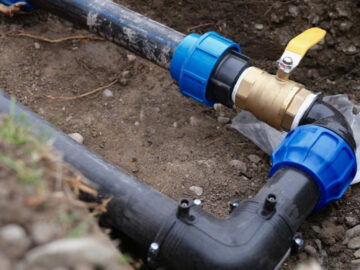
4. Temperature Management and Pipe Protection
Maintain consistent indoor temperatures to prevent freezing. Set thermostats to a minimum of 55°F (13°C) in all areas, including unoccupied rooms. Open cabinet doors under kitchen sinks and bathroom vanities to circulate warm air around pipes and faucets. Seal air leaks around windows, doors, and wall penetrations. During extreme cold, let faucets drip slightly, moving water resists freezing.
5. Must-Have Winter Plumbing Supplies
Being prepared means having the right supplies before problems strike. Stock your toolkit with adjustable pipe wrenches in multiple sizes, quality plumber’s tape for leak-proof connections, and pipe repair clamps for emergency fixes.
For frozen pipe situations, keep a heat gun or heavy-duty hair dryer on hand. Never use open flames. Heating pads offer gentle warmth for accessible sections, while electric pipe thawing cables reach difficult areas.
Essential installation supplies include pipe insulation materials (foam, fiberglass, reflective wrap), faucet repair kits with washers and O-rings, pipe sealant and joint compound, and extra shut-off valve replacements.
For emergency response, maintain several buckets and absorbent towels, a shop vacuum for water extraction, and fast-setting pipe repair epoxy for temporary fixes.
6. Protecting Your Home During Extended Absences
Planning winter travel? Shut off your main water supply at the meter, then systematically drain all faucets, toilets, and water lines. Pour non-toxic RV antifreeze into drain traps to prevent P-trap freezing. Arrange for trusted neighbors to check periodically, and consider smart leak detectors that send phone alerts if problems develop.
7. Ongoing Winter Monitoring
Conduct weekly inspections of vulnerable pipe areas. Listen for unusual sounds like hissing or continuous dripping. Monitor water pressure changes that indicate freezing, and check faucet operation regularly; sluggish flow signals ice buildup. Inspect under-sink areas for moisture or frost formation.
8. Avoiding Costly Winter Plumbing Mistakes
Never leave garden hoses connected to outdoor faucets or neglect pipe insulation in unheated spaces. Don’t ignore minor faucet drips; they worsen rapidly in freezing temperatures. Never use open flames to thaw frozen pipes; always use heat guns or hair dryers. Don’t forget to insulate outdoor faucet boxes, and avoid installing standard hose bibs where frost-free models are essential.
9. Your Complete Winter Preparation Checklist
- Inspect all faucets (indoor and outdoor) for leaks or damage
- Stock pipe insulation supplies (foam sleeves, heat tape, covers)
- Winterize outdoor faucets (drain, disconnect hoses, add covers)
- Insulate exposed pipes in basements, crawl spaces, and attics
- Gather essential plumbing tools (wrenches, tape, repair supplies)
- Install or upgrade to frost-free outdoor faucets
- Maintain a minimum 55°F indoor temperature
- Create an emergency response kit (buckets, towels, sealants)
- Drain water lines if leaving home for an extended period
- Schedule a professional inspection for older plumbing systems
Prepare Your Plumbing for Winter with Chatham Plumbing
Winter is just around the corner, don’t wait until it’s too late! At Chatham Plumbing, we can help you get ready for the colder months with the right plumbing supplies and winterizing tips. Whether you need pipe insulation, frost-free outdoor faucets, or expert advice on faucet maintenance, we’ve got you covered.
Stock up on essential plumbing supplies
Upgrade to frost-free faucets for winter protection
Schedule your winter plumbing inspection with our team
Call Chatham Plumbing today to ensure your home is winter-ready and your plumbing is protected.
Frequently Asked Questions About Winter Plumbing Preparation
What temperature should I keep in my home to prevent frozen pipes?
Maintain a minimum temperature of 55°F (13°C) throughout your home, even in unoccupied rooms. This is especially important in areas with exposed plumbing like basements, attics, and crawl spaces. During extreme cold snaps, consider increasing the temperature slightly and opening cabinet doors under sinks to allow warm air circulation around pipes. If you’re leaving for an extended period, either maintain this minimum temperature or completely winterize your plumbing system by draining all water lines.
How do I know if my outdoor faucet is frost-free?
Frost-free (or freeze-proof) outdoor faucets have a longer stem, typically 6 to 12 inches, that extends into the heated area of your home where the shut-off valve is located. When you turn off a frost-free faucet, water drains out automatically through a small hole at the spout. Standard hose bibs are much shorter and have the shut-off valve right at the exterior wall. If you’re unsure, check where your faucet’s valve is located: if it’s inside the wall in a heated space, it’s likely frost-free. For maximum winter protection in Chatham, Sarnia, and Leamington, we recommend frost-free models for all outdoor faucets.
What’s the best way to insulate pipes in my basement?
For basement pipes, foam pipe sleeves are the most popular and effective solution. Measure your pipe diameter first, then purchase pre-slit foam insulation that matches. Simply open the slit and snap it around the pipe; no tools required. For pipes with many joints, elbows, or valves, consider fiberglass pipe wrap secured with waterproof tape. Pay special attention to pipes along exterior walls or near windows where cold air infiltrates. For maximum protection in extremely cold areas, add self-regulating heat tape beneath the insulation. Our pipe insulation supplies (anchor: “basement pipe insulation”) section offers everything you need for complete basement protection.
Should I let my faucets drip during extreme cold?
Yes, during severe cold weather (below -15°C or 5°F), allowing faucets to drip slightly helps prevent frozen pipes. Running water, even at a trickle, is much harder to freeze than standing water. Focus on faucets connected to pipes running through exterior walls or unheated spaces. You only need a slow, steady drip about the thickness of a pencil lead. This small amount of water waste is far less expensive than repairing burst pipes and water damage. Open both hot and cold taps slightly to protect both supply lines.
What supplies should I buy first for winter plumbing preparation?
Start with pipe insulation materials, foam sleeves for exposed pipes in your basement, crawl space, and attic. Next, get outdoor faucet covers or upgrade to frost-free outdoor faucets if you don’t already have them. Keep plumber’s tape, pipe wrenches, and a heat gun in your emergency toolkit. Finally, stock faucet repair kits with fresh washers and O-rings, as cold weather accelerates wear on these components. Visit our plumbing supplies section (anchor: “essential winter plumbing supplies”) for a complete winter preparation package, or call us for personalized recommendations based on your home’s specific needs.
Can I install frost-free outdoor faucets myself?
While experienced DIYers can install frost-free faucets, professional installation is recommended for several reasons. Frost-free faucets require proper pitch (slight downward angle) for automatic drainage, correct depth installation to reach heated areas, and secure mounting to prevent movement. Improper installation can result in drainage failures, leaks inside walls, or faucets that still freeze despite being “frost-free.” Professional installation also ensures warranty coverage and code compliance. Our faucet installation services (anchor: “outdoor faucet installation”) include proper sizing, installation, and testing to ensure your outdoor faucets provide reliable winter protection.
How often should I check my plumbing during winter?
Conduct thorough inspections weekly during the coldest months. Check exposed pipes in basements, crawl spaces, and attics for frost or unusual coldness. Test all faucets to ensure normal water pressure and flow. Listen for unusual sounds like hissing or continuous dripping. Inspect under sinks for moisture or ice formation. During extreme cold snaps, increase checks to every few days. Early detection of freezing pipes or small leaks prevents catastrophic failures and expensive repairs. If you’re uncertain about what to look for or discover potential problems, contact us to schedule an inspection.